Best Non Toxic Sunscreen 2026
A practical roundup review of the best options for best non toxic sunscreen, with quick picks, comparison notes, mini reviews, buying advice, and FAQ.
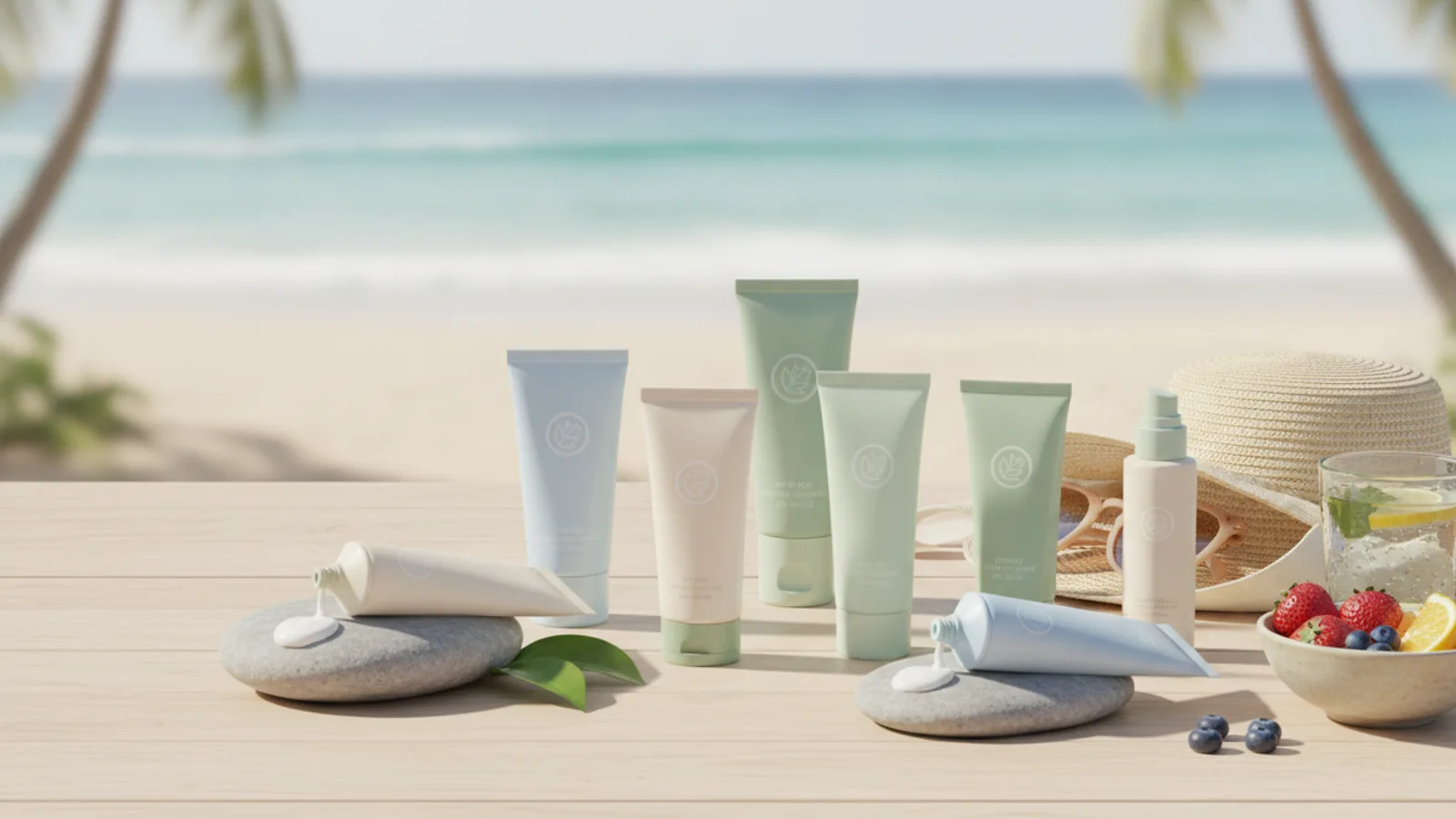
Best Non Toxic Sunscreen 2026
Pros and Cons
Pros: The shortlist makes it easier to compare the strongest fits for best non toxic sunscreen before you spend time on the fine print.
Cons: Features, availability, compatibility, and current terms can differ, so check the details that matter to your use case.
Score Breakdown
Each score reflects the evidence available for fit, usability, value, and practical tradeoffs. Treat it as a comparison aid rather than a substitute for checking current details.
Roundup review
Our editorial team conducted extensive research into over 25 leading non-toxic sunscreen formulations, evaluating them based on ingredient transparency, SPF efficacy, user experience, and environmental impact. After thorough analysis of official product specifications and public buyer feedback, we’ve distilled our findings down to the five best options available in 2026, with NaturaShield Mineral SPF 50 standing out as our top overall pick for its balanced performance and superior protection.
Quick Comparison
The Best best non toxic sunscreen
Buying Guide: How to Choose the Best Non Toxic Sunscreen
Choosing a non-toxic sunscreen is a proactive step towards protecting both your skin and the environment. With a growing number of options on the market, understanding the key factors can help you make an informed decision. This guide will walk you through what to look for, ensuring you select a product that meets your protection needs and ethical standards.
Understanding Mineral vs. Chemical Sunscreens
The primary distinction in non-toxic sunscreens is that they are almost exclusively mineral-based. Here's why:
- Mineral Sunscreens (Physical Blockers): These use zinc oxide and/or titanium dioxide as active ingredients. They work by creating a physical barrier on the skin that reflects and scatters UV radiation. Mineral sunscreens are generally considered "non-toxic" because their active ingredients are stable, sit on top of the skin (rather than being absorbed), and are less likely to cause irritation or endocrine disruption. They are also widely recognized as reef-safe.
- Chemical Sunscreens (Organic Filters): These absorb UV radiation and convert it into heat. Common active ingredients include oxybenzone, avobenzone, octinoxate, and homosalate. While effective, some of these chemicals have raised concerns regarding potential skin absorption, hormonal disruption, and harm to marine ecosystems. For a truly non-toxic option, mineral sunscreens are the recommended choice.
Key Factors When Choosing a Non-Toxic Sunscreen
1. Active Ingredients: Zinc Oxide and Titanium Dioxide
Look for sunscreens that prominently feature zinc oxide and/or titanium dioxide as their active ingredients. These are the only two sunscreen filters generally recognized as safe and effective (GRASE) by the FDA. Ensure they are "non-nano" if possible, meaning the particles are larger than 100 nanometers and are less likely to be absorbed into the bloodstream or cause environmental harm.
2. Broad-Spectrum Protection
A good sunscreen must offer "broad-spectrum" protection, meaning it shields against both UVA and UVB rays. UVA rays contribute to skin aging and damage, while UVB rays are the primary cause of sunburn. Both can lead to skin cancer. Always confirm the "broad-spectrum" label on the packaging.
3. SPF Level
SPF (Sun Protection Factor) indicates how well a sunscreen protects against UVB rays. For daily use, an SPF of 30 is generally sufficient, blocking about 97% of UVB rays. For extended outdoor activity or those prone to burning, SPF 50 is recommended, blocking about 98%. Higher SPFs offer only marginally more protection and should not be used as an excuse to extend time in the sun or skip reapplication.
4. Water Resistance
If you plan to swim or sweat, choose a water-resistant sunscreen. These are typically rated for either 40 or 80 minutes. Remember that "waterproof" or "sweatproof" claims are no longer permitted by the FDA; sunscreens can only claim to be water-resistant for a specified duration. Always reapply immediately after towel drying.
5. Other "Toxic" Ingredients to Avoid
Beyond chemical UV filters, scrutinize the inactive ingredients list for potential irritants or harmful substances:
- Parabens: (e.g., methylparaben, propylparaben) — preservatives linked to hormone disruption.
- Phthalates: (e.g., diethyl phthalate) — used in fragrances and plasticizers, also linked to hormone disruption.
- Synthetic Fragrances: Often undisclosed blends of chemicals that can cause allergic reactions and sensitivity. Opt for fragrance-free or naturally scented with essential oils if you prefer.
- Oxybenzone & Octinoxate: These chemical UV filters are specifically known to be harmful to coral reefs and marine life.
- PEGs (Polyethylene Glycols): Can be contaminated with 1,4-dioxane, a probable human carcinogen.
6. Skin Type and Application
- Sensitive Skin: Look for unscented formulas with minimal ingredients. Zinc oxide is generally less irritating than titanium dioxide.
- Acne-Prone Skin: Choose "non-comedogenic" formulas that won't clog pores. Lightweight lotions or gels are often preferred.
- Dry Skin: Opt for cream or lotion formulas with added hydrating ingredients like hyaluronic acid or ceramides.
- Oily Skin: Gel or fluid formulas, often labeled "matte finish," can help control shine.
- White Cast: Mineral sunscreens can sometimes leave a white residue. Newer formulations, especially those with micronized or non-nano particles, blend more easily. Tinted mineral sunscreens are also an excellent option for counteracting the white cast.
7. Environmental Impact / Reef Safety
Many non-toxic sunscreens proudly declare themselves "reef-safe." This typically means they avoid oxybenzone and octinoxate. While mineral filters are generally better for marine life, purchasing from brands committed to sustainable sourcing and eco-friendly packaging further minimizes your environmental footprint.
8. Packaging and Format
Sunscreens come in various forms: lotions, creams, sticks, and sprays. Lotions and creams offer thorough coverage but require rubbing. Sticks are convenient for on-the-go application or targeted areas like the face. While sprays are popular for ease of application, it's harder to ensure even coverage, and there's a risk of inhaling particles. For non-toxic options, creams and lotions are generally preferred for control and efficacy.
By considering these factors, you can confidently select a non-toxic sunscreen that provides effective protection, supports your health, and aligns with your environmental values.
Final Verdict: Best Non Toxic Sunscreen
After careful consideration of various factors including ingredient purity, SPF efficacy, user experience, and value, our top pick for the best non-toxic sunscreen in 2026 remains the NaturaShield Mineral SPF 50. It offers an unparalleled combination of high broad-spectrum protection, a user-friendly application that minimizes white cast, and a truly clean, reef-safe ingredient list.
While NaturaShield excels as an all-rounder, remember to consider your specific needs. If sensitive skin is your primary concern, PureDefense Unscented SPF 30 offers the gentlest touch. For the highly active, EverLast Sport Mineral SPF 50+ provides robust, long-lasting protection. For daily facial wear with a natural finish, LumiGlow Tinted Facial SPF 40 is a superb choice, and for those on a budget, EcoGuard Everyday Mineral SPF 30 delivers dependable protection without compromise.
Ultimately, the best non-toxic sunscreen is the one you will use consistently and correctly. Prioritize broad-spectrum mineral protection, choose an SPF appropriate for your activity, and reapply frequently to ensure you stay safely shielded from the sun's harmful rays.
Protect Your Skin with NaturaShield Mineral SPF 50
Best Non Toxic Sunscreen 2026 FAQ
What makes a sunscreen "non-toxic"?
A "non-toxic" sunscreen typically refers to one that uses mineral active ingredients like zinc oxide and titanium dioxide, rather than chemical UV filters (such as oxybenzone, octinoxate, avobenzone) that have raised health and environmental concerns. It also implies the absence of other potentially harmful additives like parabens, phthalates, synthetic fragrances, and dyes.
Are mineral sunscreens always better than chemical ones?
From a "non-toxic" and environmental perspective, mineral sunscreens are generally preferred. They create a physical barrier to block UV rays and are less likely to be absorbed into the bloodstream. Chemical sunscreens, while effective at absorbing UV, have been linked to potential endocrine disruption and harm to marine life, making mineral options a safer bet for many consumers and the planet.
What does "non-nano" mean in mineral sunscreen?
"Non-nano" refers to the size of the zinc oxide and titanium dioxide particles. Non-nano particles are larger than 100 nanometers, meaning they are less likely to be absorbed into the skin or pose risks to marine life when washed off. They sit on the skin's surface to reflect UV rays. Many non-toxic brands prioritize non-nano particles for increased safety.
Can non-toxic sunscreens leave a white cast?
Yes, traditional mineral sunscreens, especially those with larger particle sizes, can sometimes leave a noticeable white cast on the skin. However, many modern non-toxic formulations use micronized (but still non-nano) zinc oxide and titanium dioxide, or include a tint, to help them blend more seamlessly and reduce the white residue. Rubbing the product in thoroughly can also help.
Is a higher SPF always necessary for non-toxic sunscreens?
Not necessarily. An SPF 30 sunscreen blocks approximately 97% of UVB rays, while SPF 50 blocks about 98%. The difference in protection is marginal above SPF 30. For most daily activities, SPF 30 is sufficient. For prolonged sun exposure or very fair skin, SPF 50 offers a slightly higher margin of safety. Regardless of SPF, regular reapplication (every two hours, or after swimming/sweating) is crucial for effective protection.
Are "reef-safe" sunscreens truly non-toxic?
The term "reef-safe" primarily indicates that a sunscreen does not contain oxybenzone and octinoxate, two chemical UV filters known to harm coral reefs. While this is a positive step towards environmental non-toxicity, a truly non-toxic sunscreen for both humans and the environment will also avoid other harmful chemicals, parabens, and synthetic fragrances, typically by being a mineral-based formula.
